
Biotic Environment Studies
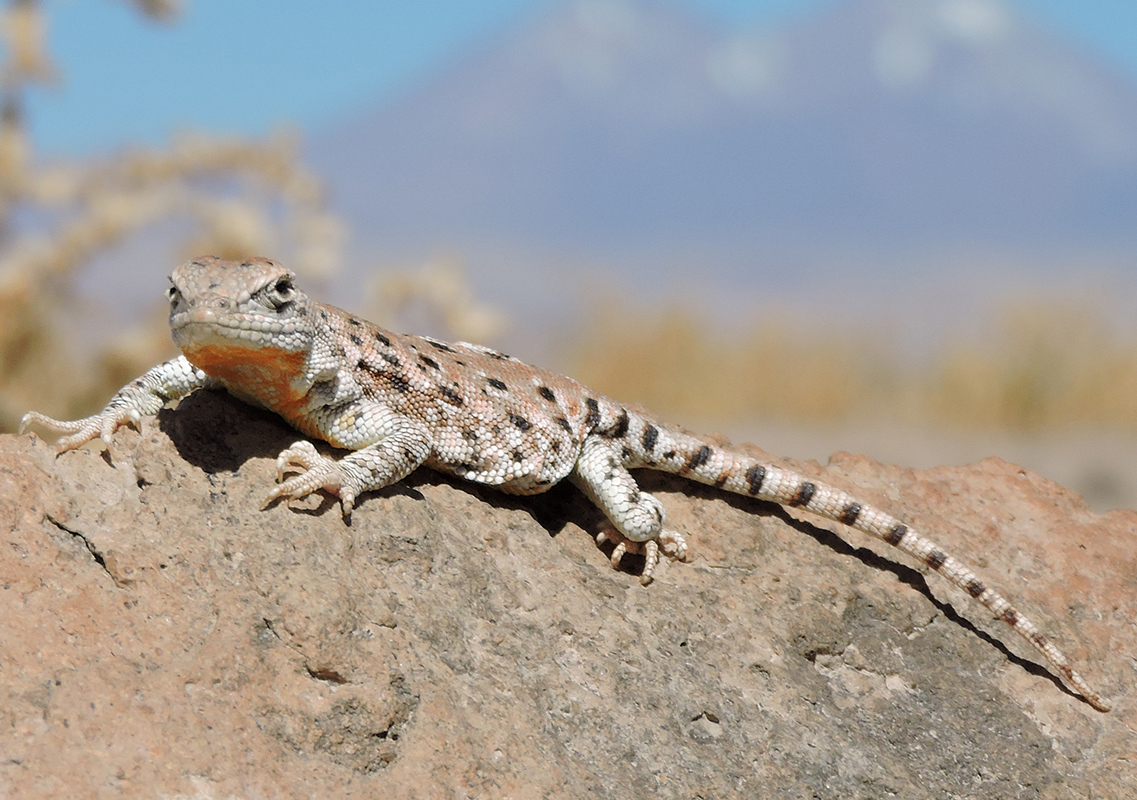
Terrestrial vertebrate wildlife baseline
The main objective of this study is to analyze the Terrestrial Vertebrate Wildlife characteristics in terms of richness, abundance, distribution, singularities, and conservation status. It is intended to identify sensitive relationships between wildlife and projects, to provide the necessary information for an adequate assessment of its potential impacts on this environmental component.
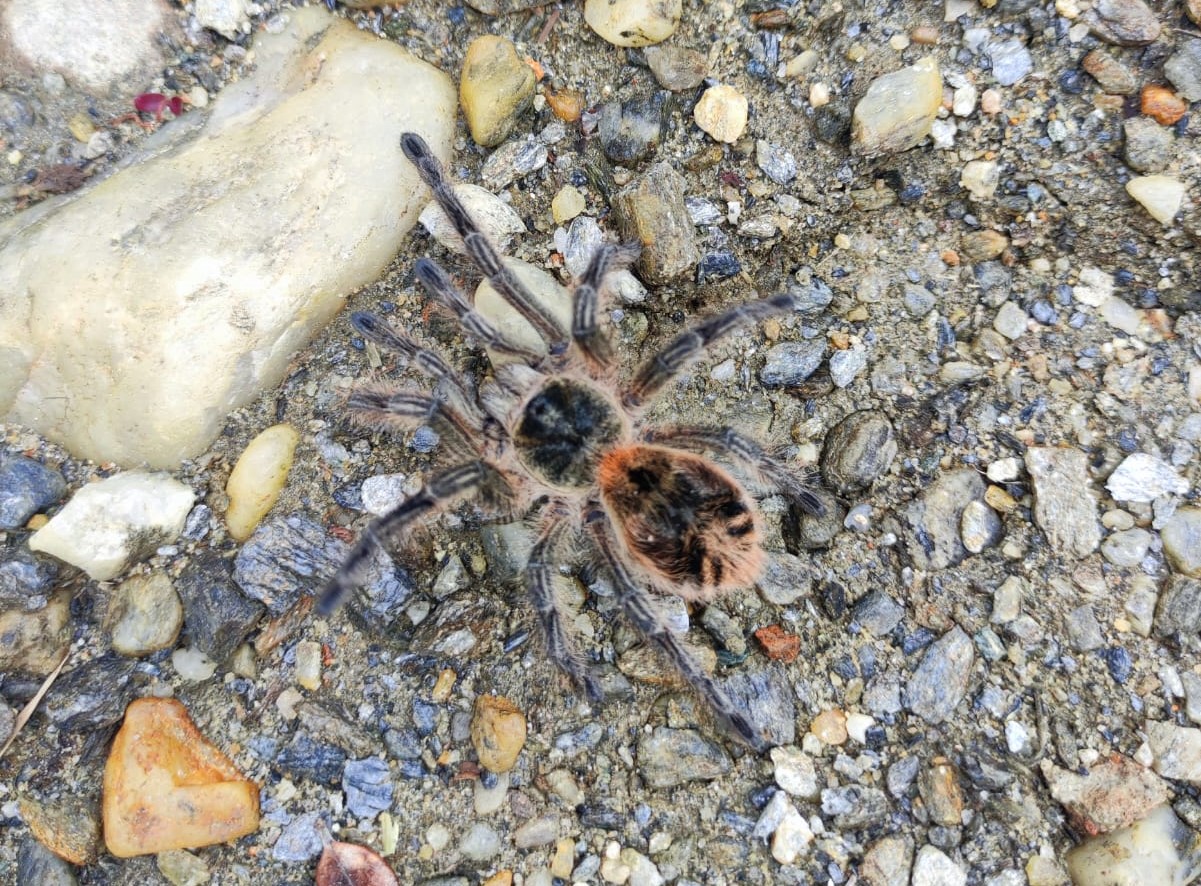
Terrestrial invertebrate wildlife baseline
The main objective of this study is to analyze the Terrestrial Invertebrate Wildlife characteristics in terms of richness, abundance, distribution, singularities, and conservation status. It is intended to identify sensitive relationships between entomofauna and projects, to provide the necessary information for an adequate assessment of its potential impacts on this environmental component.
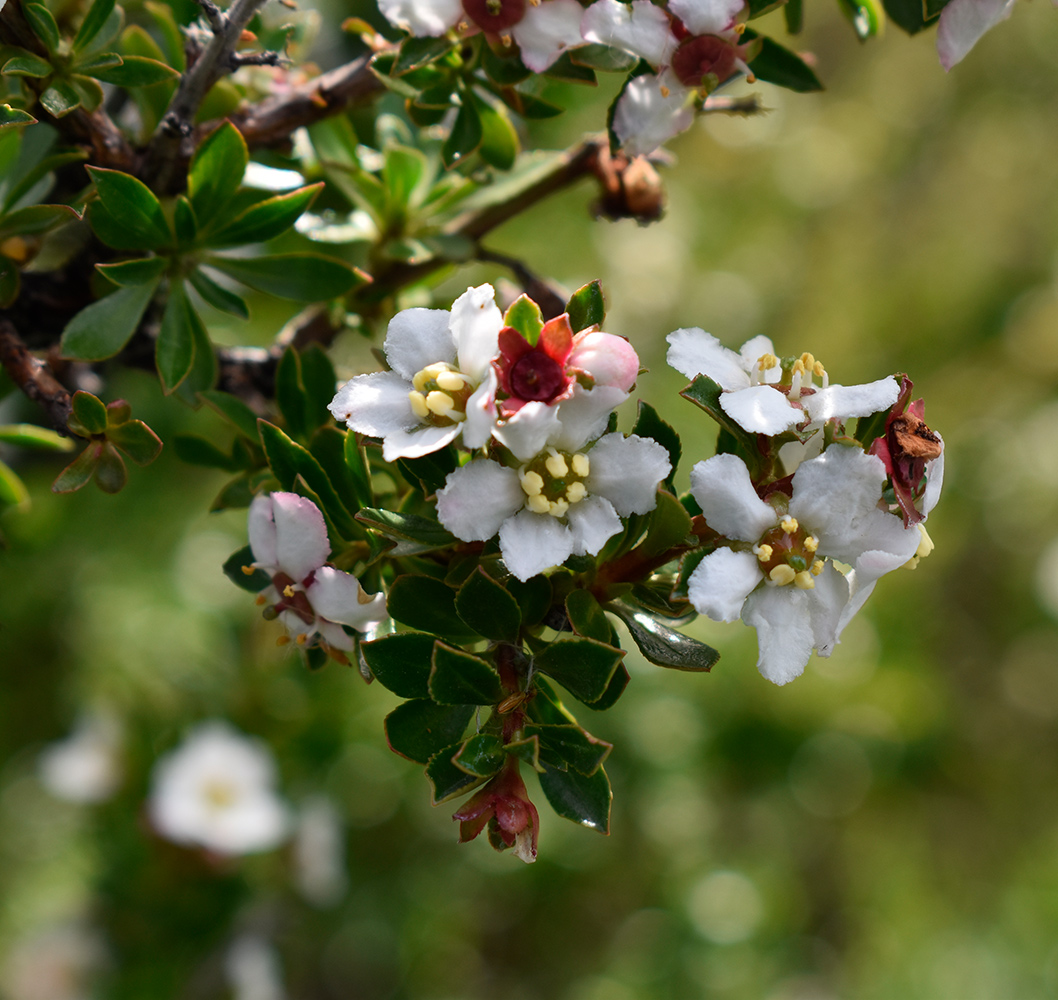
Flora and vegetation baseline
The main objective of this study is to analyze the Flora and Vegetation characteristics in terms of richness, abundance, distribution, singularities, and conservation status. It is intended to identify sensitive relationships between flora and vegetation and projects, to provide the necessary information for an adequate assessment of its potential effects on this environmental component.
Bird collision risk studies
This kind of study is used to identify the main areas at risk of collision or electrocution of medium to large wingspan birds with a project (power generation and distribution). The development of an aerial bird transit survey is used to be included in a wildlife baseline, as an expert study, or to obtain a collision model. Transits may include the use of radar and thermal binoculars.
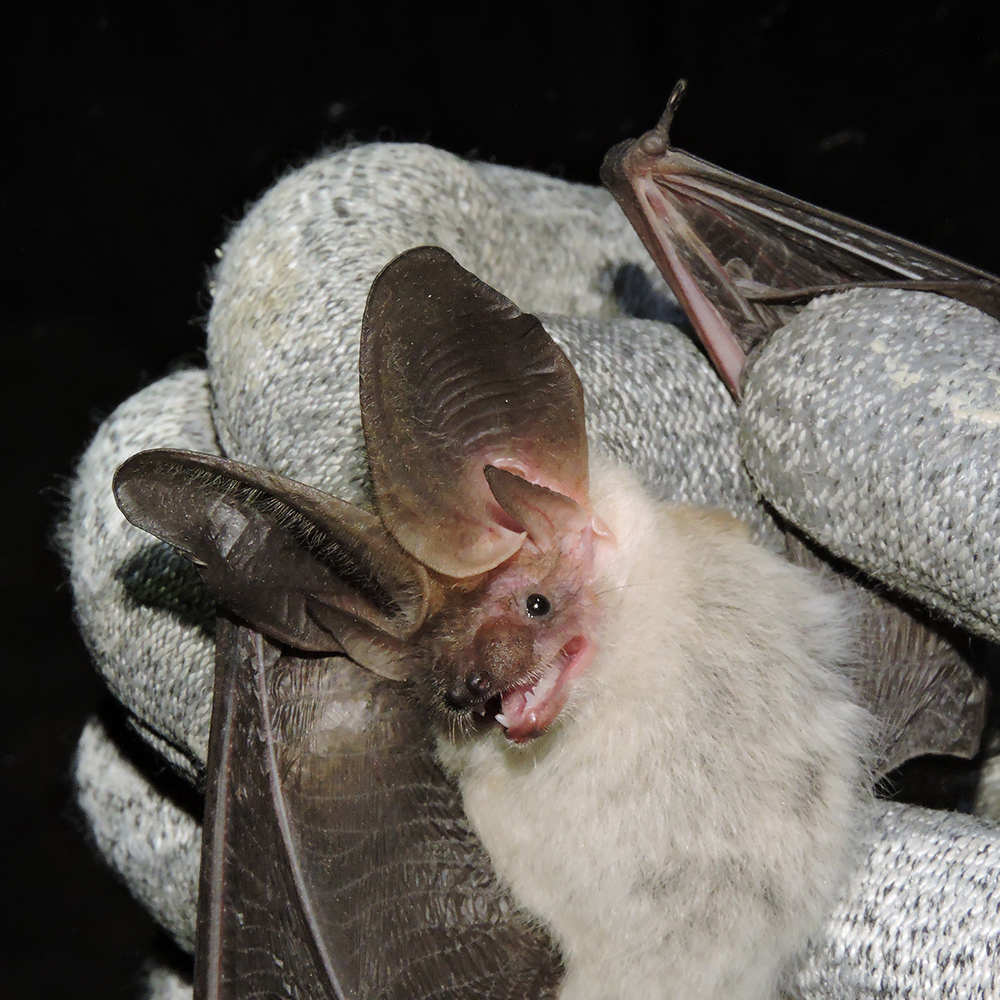
Chiropteran characterization
This kind of study seeks to determine the interaction a project would have with bats when making landscape modifications, such as soil and/or vegetation removal, wind turbines, power lines, among others. Chiropteran characterization is used to include bats in a wildlife baseline, as part of an expert study, or to develop a collision model. It is performed using ultrasound detectors, mist nets and thermal binoculars.
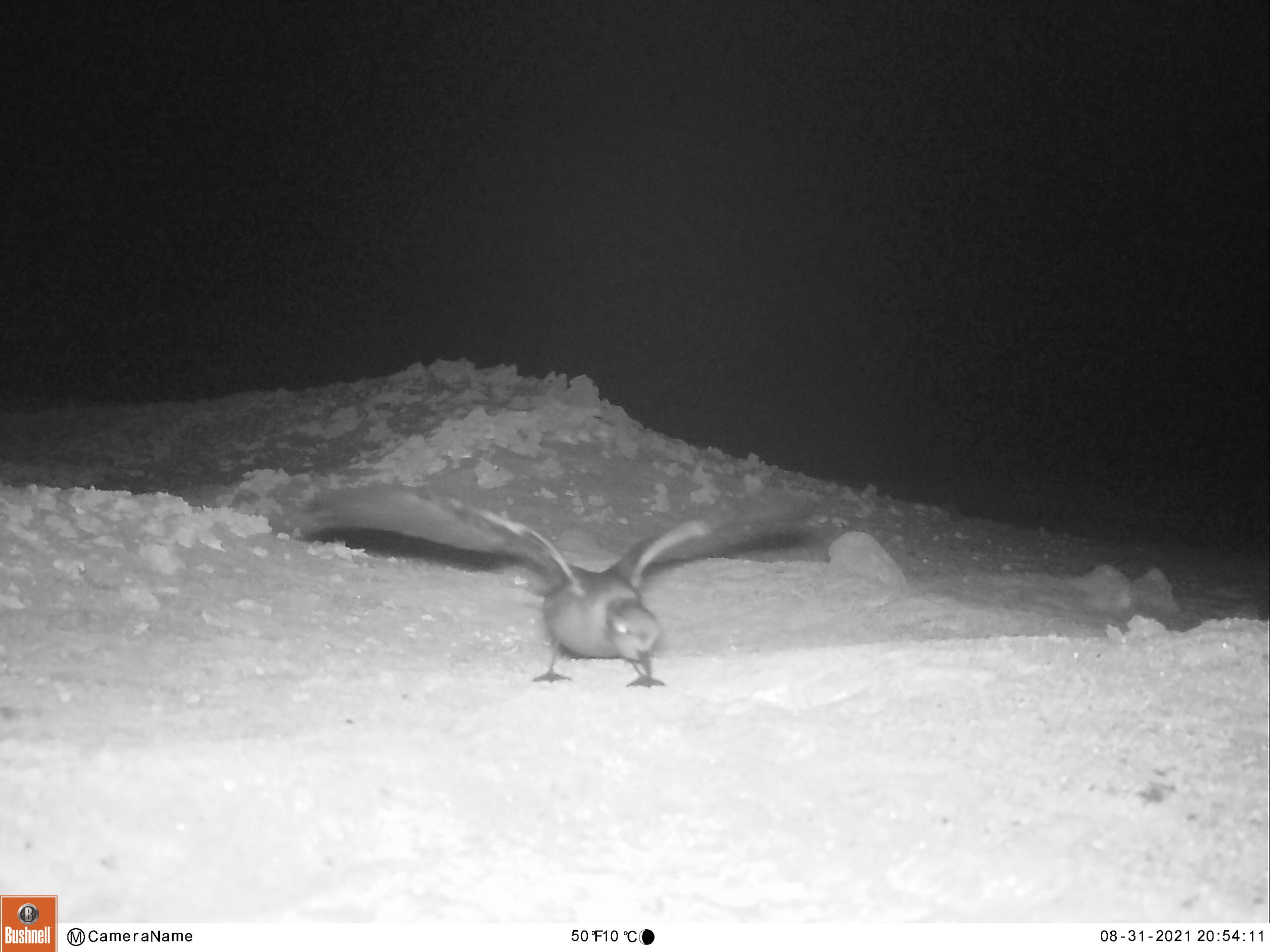
Studies of nesting birds in the Atacama Desert
The main objective of this study is to assess the presence of desert-nesting birds and detect breeding activity through a targeted search for individuals and their traces in the Atacama Desert. They may also include the use of radar and thermal binoculars. The study specifically focuses on the diversity of storm-petrels that potentially nest in Chile and the grey gull.
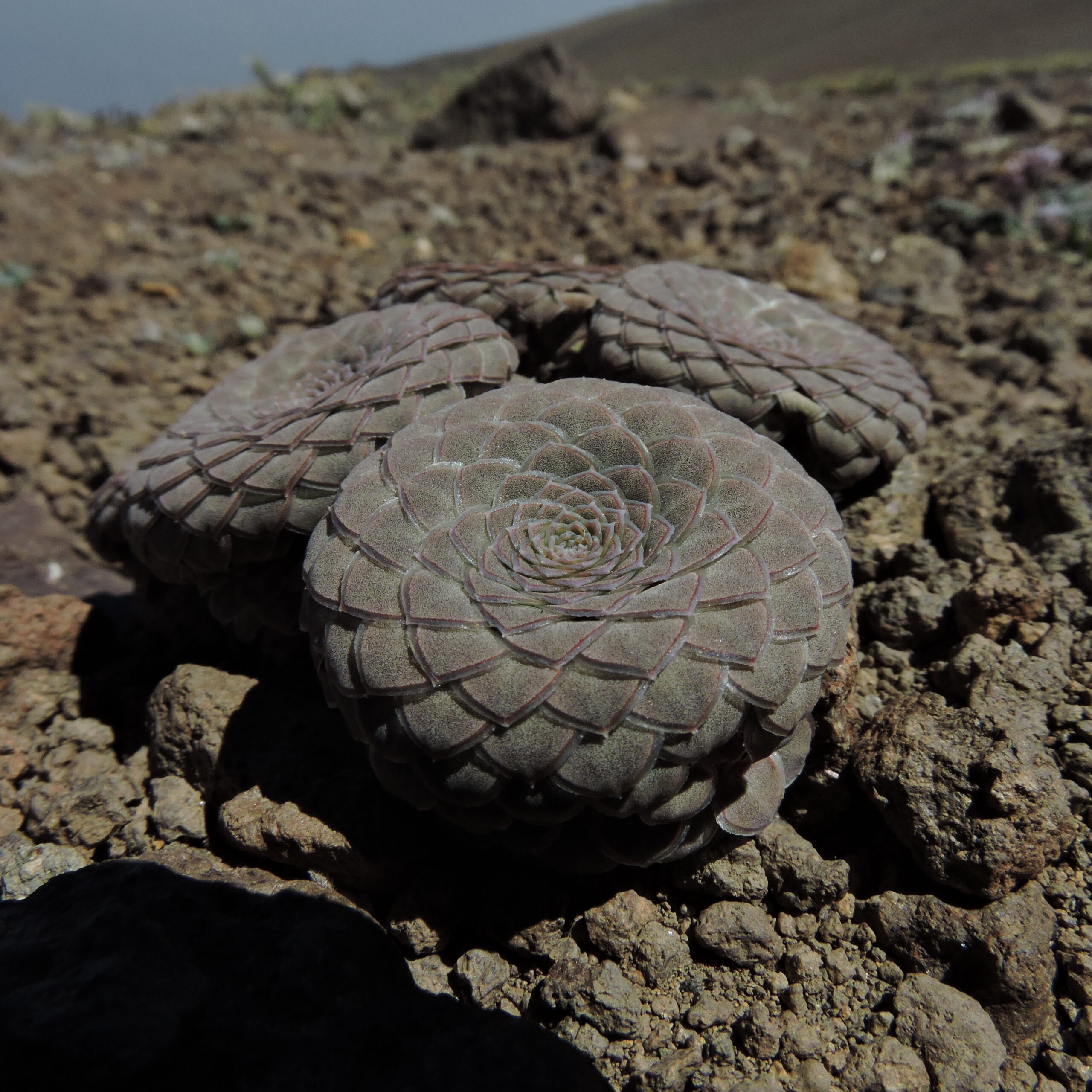
Pre-feasibility/ feasibility studies
This kind of study provides tools to assess the prefeasibility (bibliographic study) or feasibility (field study) of a potential project, considering the probable and identifiable interactions with the biotic components. It allows for gathering information for decision-making regarding investment in specific projects and their entry into the Environmental Impact Assessment System.